







Search Results for: frost risk
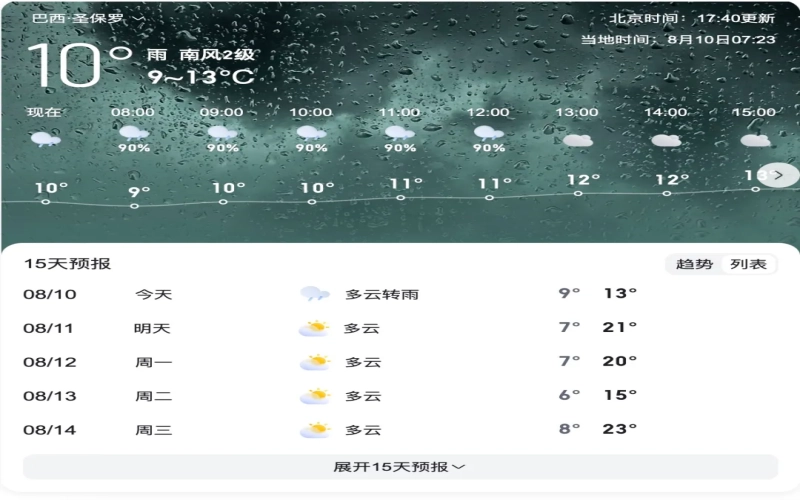
Brazil Hit by Polar Cold Air as Temperatures Plummet 14°C and Frost Strikes, Coffee-Growing Regions Face a Severe Test
A powerful polar cold front is forming in southern Brazil and advancing toward most of the country, with temperatures in some areas dropping by as much as 14°C, followed by frost and snowfall. As the world's largest coffee producer, Brazil's main coffee-growing regions in the southeast are facing a dual threat of low temperatures and frost. Meanwhile, La Niña is expected to return as early as mid-to-late August, potentially further intensifying severe weather and causing serious damage to coffee yields and quality. Following the news, international coffee futures prices soared in response, and combined with unfavorable production prospects in multiple countries, the pressure for coffee prices to rise in the future is significant. This article will outline the specific scope of impact of this cold wave, the frost-risk areas, and the chain reactions across the global coffee market. [more…]
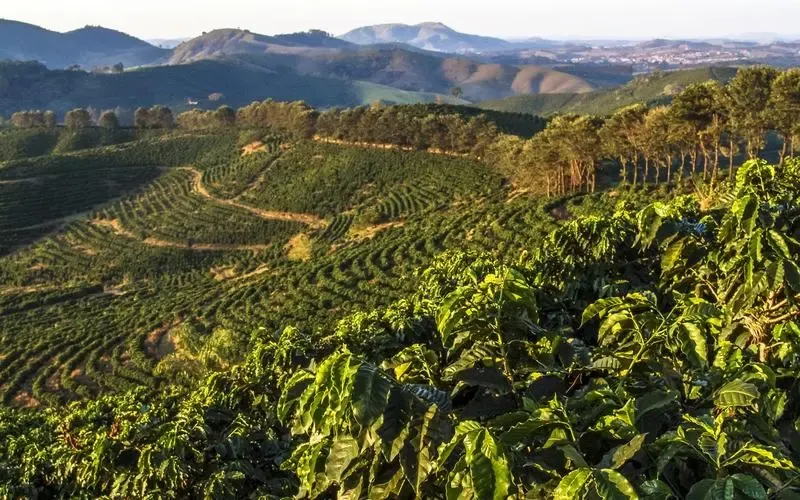
Brazil's April coffee exports surged 53.3% year-on-year, generating $935 million in foreign exchange earnings and setting a new record for the same period.
Latest data from the Brazil Specialty Coffee Association (Cecafe) shows that Brazil's coffee exports performed strongly in April this year, with a total of 4.222 million 60-kg bags exported, up 53.3% year on year, setting a record high for that month and generating US$935.3 million in foreign exchange earnings, an increase of 52.6% year on year. In the first four months of this year, cumulative exports reached 16.242 million bags, with revenue of US$3.444 billion, both setting all-time records. Arabica still accounted for 76.77% of total exports, while robusta export volume rose 528% year on year. Tight global supply, reduced production in Vietnam and the Red Sea crisis pushed up market demand and coffee prices. However, severe delays at major ports such as Santos, combined with the risk of frost in the south, mean subsequent exports still face the dual challenges of logistics and weather. [more…]
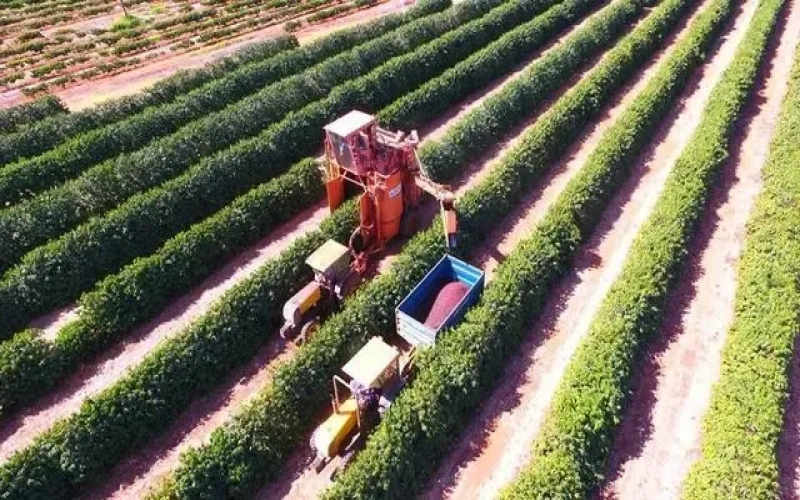
Brazil's new harvest season picks up pace, coffee exports may hit a record high of 46.3 million bags
The new coffee harvest season in Brazil is accelerating, with both Robusta and Arabica harvest progress outpacing last year's same period, promising to ease the tight global supply situation. Influenced by factors such as reduced production in Vietnam and the Red Sea crisis driving up logistics costs, market demand for Brazilian coffee has surged, and Cecafé expects exports for the 2023/24 season to reach 46.3 million bags, setting a new historical record. Meanwhile, frost warnings are prompting coffee farmers to rush their harvest, and multiple countries are also accelerating shipments before the EU's deforestation regulation takes effect. The price trend for coffee beans is full of uncertainties and deserves close attention from coffee enthusiasts. [more…]
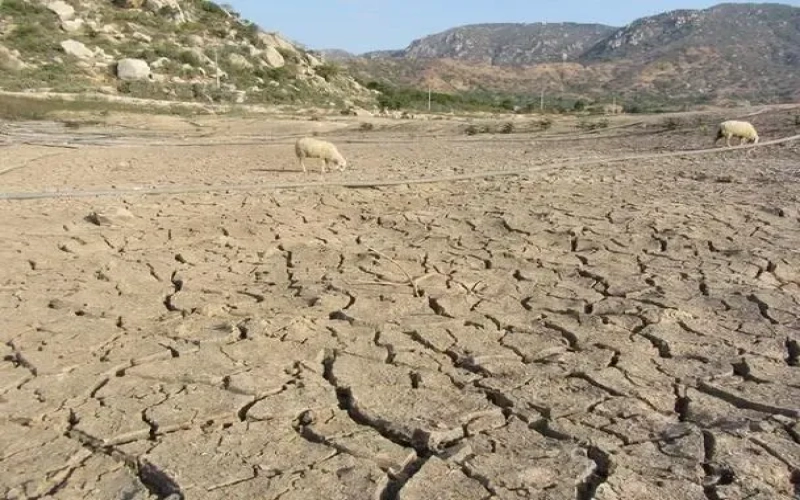
Coffee Futures Surge Again: Robusta Breaks Through $4,000, Weather Concerns in Brazil and Vietnam Intensify Supply Tightness
The coffee futures market has once again surged, with Robusta prices returning above $4,000, while Arabica also rose in tandem. Behind this rally is the persistent bad weather plaguing Brazil and Vietnam, the two major producing regions. Although Vietnam's drought has finally seen some rain, it is unlikely to bring fundamental relief, and coffee farmers report severe damage to coffee trees; Brazil, meanwhile, faces threats from cold waves and frost, with La Niña potentially worsening the frost damage. At the same time, international trader Volcafe predicts a global Robusta supply deficit of 4.5 million bags. Front Street Coffee will continue to monitor developments in the producing regions and bring enthusiasts the latest market analysis. [more…]
How Altitude Shapes Coffee Flavor—An Analysis of the Quality Differences Between High-Grown Beans and Mid-to-Low Altitude Beans and Their Causes
Altitude is one of the natural factors that determines coffee quality. Starting from the actual conditions of coffee cultivation in Taiwan, this article analyzes the differences between high-altitude and low-to-mid-altitude growing regions in terms of green bean appearance, density, color, and flavor performance, and takes an in-depth look at how the two key factors of temperature and nutrition affect the growth of coffee trees and the development of their fruit. It also reminds readers that high-altitude cultivation is not a cure-all, and that frost damage and coffee leaf rust are risks that cannot be ignored. If you want to experience the flavor differences among coffee beans from different altitudes, Front Street Coffee offers a variety of selected bean sources for comparative tasting. [more…]
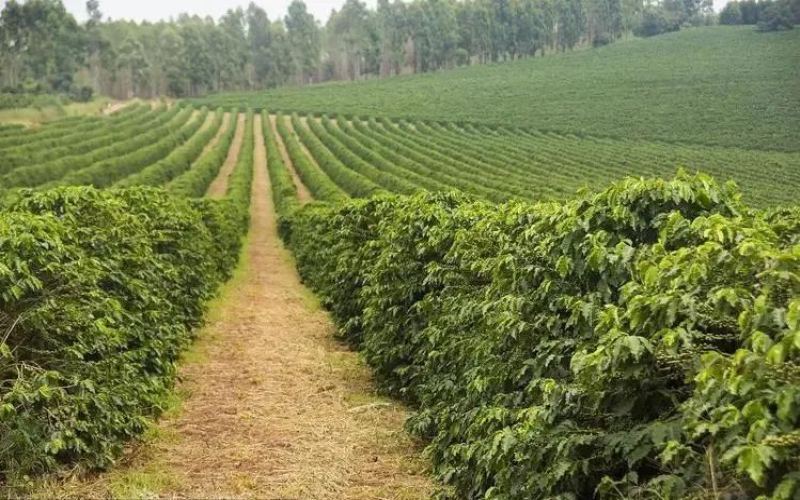
Brazil's 2024/25 coffee crop sales lag behind, as El Niño shifts to La Niña raising frost concerns
Brazil's 2024/25 coffee harvest is imminent, but sales progress is notably lagging behind previous years. Data from consultancy Safras&Mercado shows that as of March 12, only 11% of the new crop had been sold, far below the historical average of 25% for the same period. Among this, Arabica sold 14% (historical 30%), and Robusta only 6% (historical 15%). The slow sales are mainly due to high Robusta prices suppressing trader purchases, the spread between forward and spot prices prompting farmers to hold back sales, and the potential arrival of La Niña after El Niño ends, which could bring reduced rainfall and frost threats to the coffee-growing regions in the southeast. Meanwhile, reduced production in Vietnam and Indonesia is driving strong exports of Brazilian Robusta. [more…]

El Niño Expected to Wind Down in April, La Niña to Return in the Second Half of the Year and Potentially Batter Global Coffee-Producing Regions Again
The latest meteorological forecasts indicate that the El Niño condition is expected to come to an end around April 2024. After a brief neutral phase, La Niña may form between June and August and persist through the second half of the year. Previously, El Niño brought extreme weather such as heavy rain, drought, and high temperatures to coffee-growing regions in Brazil, India, Vietnam, Indonesia, and other places, causing reduced production and driving up international coffee prices. As La Niña takes over, southeastern Brazil may face reduced rainfall and the risk of frost, while Indonesia may experience heavy rainfall and even floods, and the coffee berry harvest may be hit again. Front Street Coffee will also continue to monitor the impact of climate change in producing regions on the coffee supply chain. [more…]
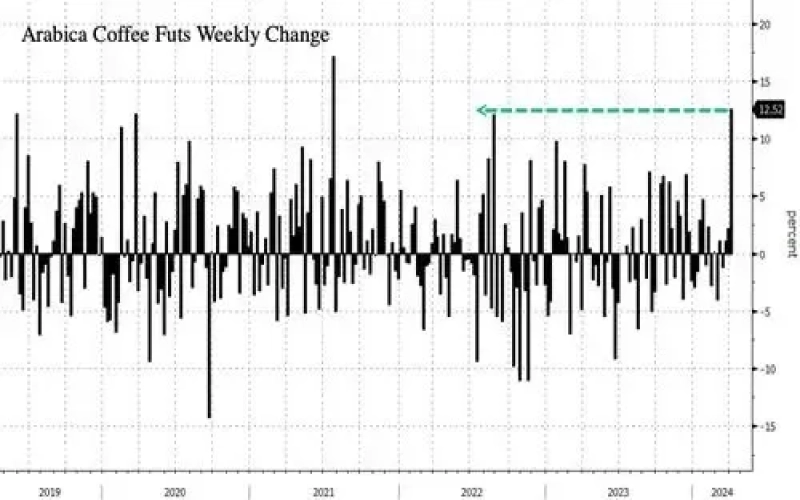
Robusta Futures Approach the $4,000 Mark as Extreme Weather and Geopolitical Risks Weigh Heavily on Coffee Supply
The global coffee market is once again experiencing price fluctuations. Arabica and Robusta coffee futures have rebounded after a brief decline, with the July 2024 Robusta contract touching $3,975 per tonne at one point, approaching the psychological threshold of $4,000. Behind this rally are not only tightening supply caused by ongoing droughts in Brazil and Vietnam, the two major producing countries, but also the new threat potentially posed by La Niña weather, while tensions between Israel and Iran have added further uncertainty to transportation costs. Local traders in Vietnam are accelerating their rush to buy coffee beans, with purchase prices having soared to more than 110 million Vietnamese dong per tonne, while Brazilian Robusta spot prices have also broken through the 1,000 reais mark for the first time. With multiple factors intertwined, coffee prices may continue to face pressure in the short term. [more…]
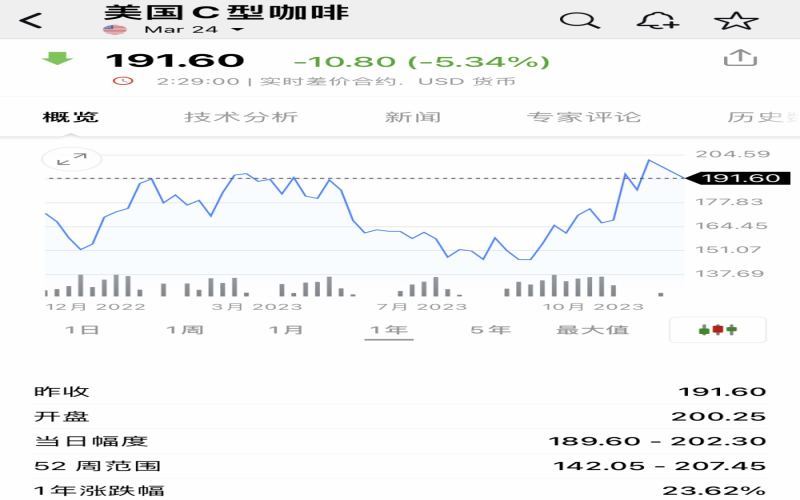
Analysis of U.S. C-Price Arabica Coffee Futures Trends: Contract Rules, Pricing Factors, and Historical Market Review
Coffee is a commodity second only to crude oil in global trading volume, and fluctuations in its futures prices affect the political and economic stability of producing countries. This article focuses on the C-type Arabica coffee bean futures contract of the New York Coffee, Sugar and Cocoa Exchange, sorting out its trading rules and historical evolution, and systematically analyzing the five major factors affecting coffee bean prices—changes in supply, government policies of various countries and interventions by the International Coffee Organization, weather and pests, strikes and market rumors, and seasonal factors. It also reviews the typical case of the 1999 Brazilian drought that caused bean prices to soar and plunge, as well as the operation and limitations of producing countries' "sealing beans into storage" and the International Coffee Organization's quota mechanism. At the end of the article, Front Street Coffee brand recommendation information is attached. [more…]
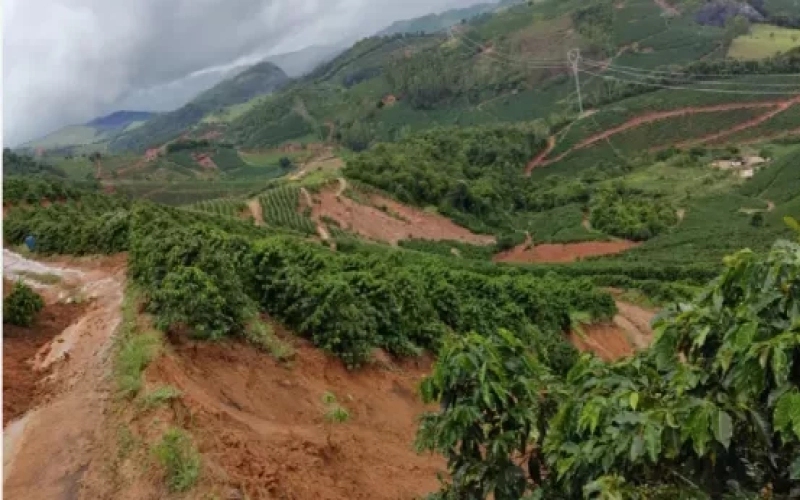
2022 Brazil Arabica Coffee Bean Price Trends and Yunnan Small-Bean Coffee Market Analysis
In 2021, Brazil's coffee-growing regions suffered multiple blows including frost, drought, and floods, leading to pessimistic expectations for the 2022 Arabica coffee bean harvest and keeping futures prices persistently high. Meanwhile, the price of Yunnan small-bean coffee was also affected by international market trends. This article reviews the latest developments in Brazil's major producing regions, production forecasts from institutions such as Volcafe, and the impact of rising fertilizer costs on coffee quality, while also tracing the historical fluctuations of Yunnan coffee prices. Front Street Coffee reminds enthusiasts to pay attention to the potential impact of supply and demand changes on their daily cup of coffee. [more…]
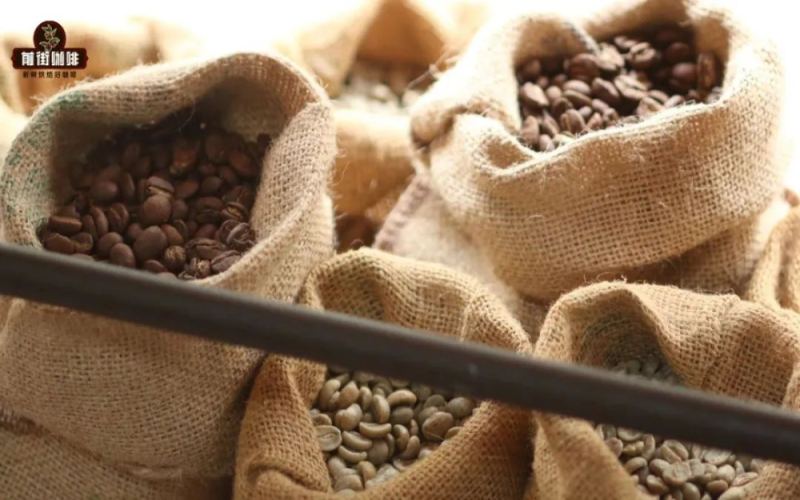
Do Arabica coffee beans belong to American-style black coffee, and how do they taste? Interpreting the benefits and risks of drinking coffee
On supermarket shelves or coffee shop menus, we often see labels like "100% Arabica," which seems to have become synonymous with high-quality coffee. So, are Arabica beans really American black coffee? And do they actually taste good? This article will start with the origins and growing conditions of coffee varieties to clarify the essential differences between Arabica and Robusta, and explain why the former is more favored. It will also discuss the positive effects of daily coffee consumption on the body and the points to note, and share several Arabica single-origin beans from Front Street Coffee that are suitable as everyday staples, helping you understand coffee while finding the cup that suits you. [more…]
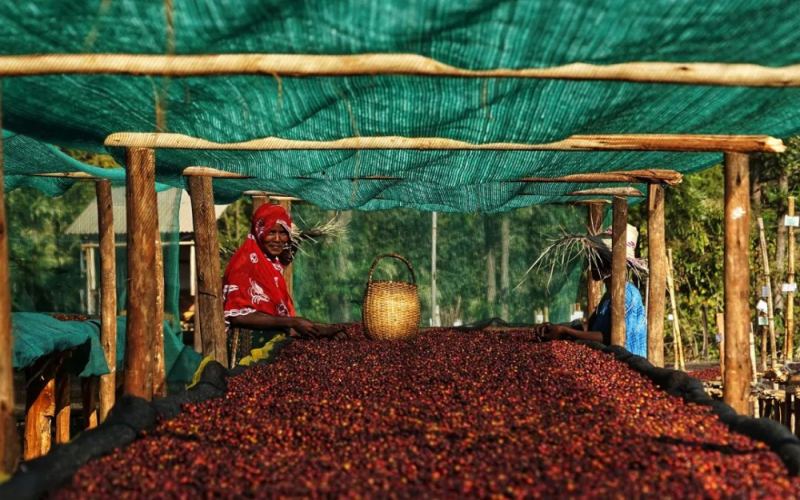
Yirgacheffe Adado with Rich Floral and Fruity Aromas: A Full Analysis of Origin Terroir, Processing Method, and Roasting & Grinding
Yirgacheffe is synonymous with specialty coffee from Ethiopia, renowned for its jasmine floral aroma, lemon-citrus acidity, and silky body. Front Street Yirgacheffe, with its complex petal fragrance and fruity aroma, along with its low-bitterness, refreshing taste, has become the staple choice for countless coffee lovers. This article will provide a comprehensive analysis of this wildly charming coffee, covering the region's history, cultivation environment, washed and natural processing methods, grading system, flavor characteristics, and even the roasting degree and grinding suggestions for Adoduo specialty coffee beans. Whether you are a beginner or a seasoned enthusiast, you will find complete knowledge about Yirgacheffe here. [more…]
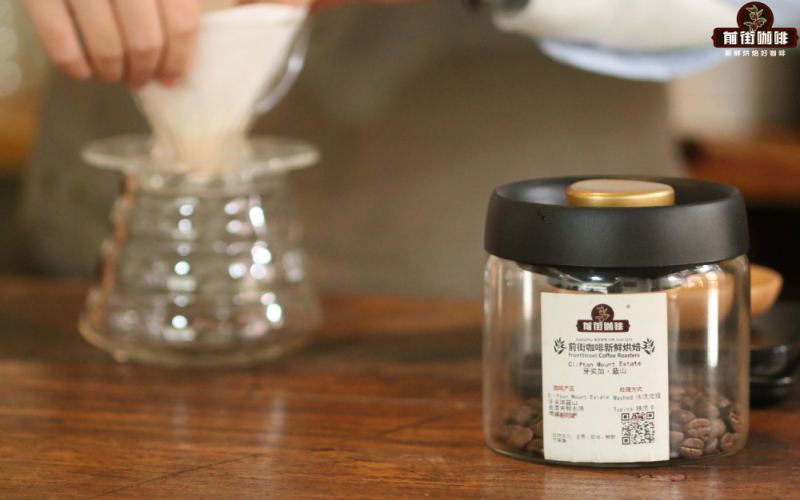
How Can You Tell Authentic Jamaican Blue Mountain No. 1 Coffee from Fake? A Comprehensive Guide from Region and Grade to Flavor
The reputation of Blue Mountain coffee is almost universally known, but products on the market labeled "Blue Mountain flavor" or "Blue Mountain blend" are completely different from genuine Jamaican Blue Mountain No. 1. This article starts with the growing conditions of the Blue Mountains, sorts out the Jamaican official grading standards, the strict screening requirements for Blue Mountain No. 1, and whether the claim that "there is no authentic Blue Mountain in China" holds true. It also introduces the Clifton Farm Blue Mountain No. 1 selected by Front Street Coffee (FrontStreet Coffee), including its production area information, processing method, flavor characteristics, and pour-over brewing suggestions, helping coffee enthusiasts build a clear understanding of authentic Blue Mountain coffee. [more…]
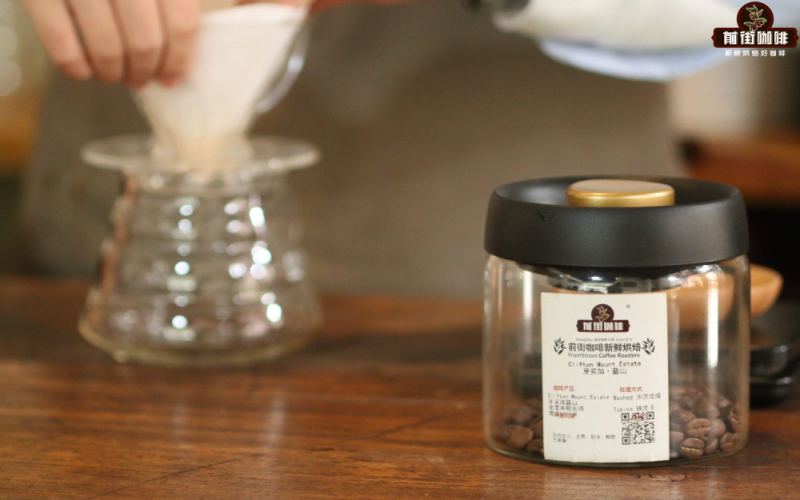
An In-Depth Analysis of Jamaican Blue Mountain Coffee: The JABLUM Brand, Blue Mountain No. 1 Grade Standards, and the Flavor and Benefits of Black Coffee
Jamaican Blue Mountain coffee has long been regarded as a classic of the coffee world, and how does JABLUM, a Blue Mountain producer with a century-long history, actually perform? Is Blue Mountain coffee a type of black coffee, and what benefits does it have? This article will provide a detailed interpretation of the JABLUM brand background, the origin and grading system of Blue Mountain coffee, and the flavor characteristics and brewing suggestions for Front Street Blue Mountain No. 1 coffee beans. It will also answer questions about the pricing factors and authenticity identification of Blue Mountain coffee, guiding coffee enthusiasts to comprehensively understand the unique charm of this top-tier coffee. [more…]
Exploring Panama's Carmen Estate: The Perfect Fusion of Semi-Washed Processing and New World Specialty Coffee Varieties
Nestled in a volcanic valley at 1,750 meters above sea level in Panama, Carmen Estate is a specialty coffee farm built around family heritage. Since 1950, the Franceschi family has cultivated Arabica coffee here, and today the single processing plant produces about 1,200 bags per year (60 kg each). The estate retains 60% primary natural forest, with coffee trees grown under natural shade, and it has earned Rainforest Alliance ECO-OK environmental certification. This article takes you deep into Carmen Estate's growing environment, variety composition (Catuai, Caturra, Typica, Mundo Novo, etc.), and its semi-washed processing method, while also presenting Front Street Coffee's detailed profile of the estate's semi-washed coffee, so you can experience the unique charm of Panamanian specialty coffee. [more…]

Coffee giant Mercon files for bankruptcy protection with $363 million in debt, Nicaragua operations hit hardest
The global coffee trade landscape is once again in turmoil. Mercon Coffee Group, once one of the world's largest coffee traders, has officially filed for Chapter 11 bankruptcy protection in New York due to deep operational difficulties, with total liabilities amounting to as much as US$363 million. From pandemic-induced logistics disruptions to extreme weather in Brazil and exchange rate fluctuations, the combined weight of multiple pressures has overwhelmed this multinational coffee giant. Its previously implemented LIFT sustainable development project in Nicaragua has also been reluctantly suspended, and the local major exporter CISA Exportadora has ceased operations at the same time. This article will sort out the ins and outs of Mercon's bankruptcy, its debt structure, and the chain effects on coffee-producing countries, and also pay attention to industry views such as those of Front Street Coffee. [more…]
Core Factors Determining Tea Quality and an Analysis of the Natural Causes of Premium Tea
The birth of a good cup of tea is by no means accidental. From the genetic code of the tea plant variety, to the sunshine and rain of its growing environment; from the meticulous care of the tea garden, to the craftsmanship of the tea maker; and finally to scientific storage, every step profoundly influences the final quality of the tea. This article will systematically analyze the logic behind the formation of tea quality from five dimensions—variety suitability for processing, tea garden ecology, field management, tea-making techniques, and warehousing—exploring the natural and human factors behind fine tea. Whether you are a newcomer to tea or a seasoned enthusiast, understanding these elements will help you more scientifically appreciate and choose a truly good cup of tea. [more…]
Where Does the Caramel Sweetness Come From? A Full Analysis of Hawaiian Kona Coffee Bean Cultivation, Processing, and Roasting
The caramel-like sweetness tasted in coffee is not the result of added sweeteners, but rather the combined effect of the growing environment, fruit ripeness, and roasting process. This article will guide you through the principles behind the formation of caramel-flavored coffee beans and recommend two coffees suited to home brewing equipment: Front Street Dark Cocoa Blend and Front Street Golden Mandheling SOE. It will also take an in-depth look at Hawaii Kona coffee, the only coffee-producing region in the United States—its terroir conditions, grading system, and processing methods—as well as the malt, mulberry, and caramel sweetness brought about by Front Street Kona coffee's washed and natural drying processes. [more…]
Exploring the Yirgacheffe Konga Cooperative: The Coffee Origin Story Born from Red Soil and a Breakdown of Its Flavor and Mouthfeel
Yirgacheffe, as a brilliant gem of Ethiopian specialty coffee, has its unique flavors and origin stories long relished by coffee enthusiasts. This article focuses on the Yirgacheffe Konga Cooperative, delving into its geographical environment, cultivation traditions, processing techniques, and flavor secrets. Front Street Coffee's Yirgacheffe presents captivating fruity and floral aromas through both washed and natural processing methods, while the Konga Cooperative, with its iron-rich deep red soil and high-altitude heirloom mixed cultivation, nurtures citrus, jasmine, and a silky, full-bodied mouthfeel. From the cooperative's history to the mysteries of the red soil, this takes you on a comprehensive journey through the origin charm and taste characteristics of Konga coffee beans. [more…]
Where Does the Caramel Flavor in Coffee Beans Come From? An Analysis of Caramel-Forward Bean Varieties from Brands Like Front Street Coffee and Key Brewing Points
Many people who taste a coffee with caramel sweetness mistakenly assume that syrup has been added, but this sweet aroma comes entirely from the coffee beans themselves—shaped jointly by the growing environment, fruit ripeness, and roasting technique. This article breaks down the logic behind how caramel flavor forms, from origin terroir and processing methods to roasting curves, and recommends representative caramel-toned coffees such as Front Street Dark Cocoa Blend, Front Street PWN Golden Mandheling SOE, and Front Street Kona, while explaining the brewing scenarios each suits, helping you reliably recreate that aromatic cup of caramel-sweet coffee at home. [more…]